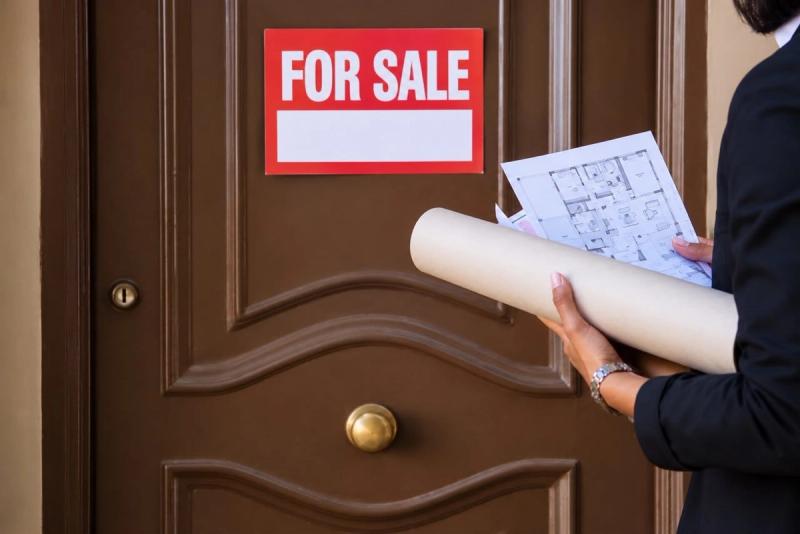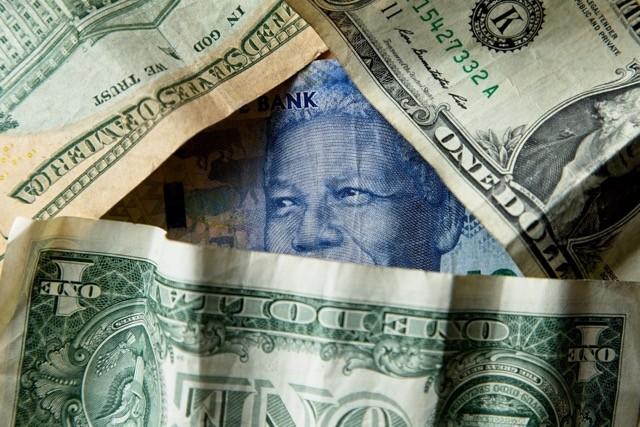
Understanding dollar-denominated property prices, exchange rate risks, and what Nigerian homebuyers need to know.
If you have searched for properties in Lagos recently, particularly in areas such as Ikoyi, Victoria Island, Lekki, and Banana Island, you may have noticed something unusual: some properties are advertised in US dollars rather than Nigerian naira.
A luxury apartment might be listed for $250,000, while a house in an exclusive estate could carry a price tag of $1 million or more. For buyers earning and saving in naira, these prices can seem confusing, especially when the property is physically located in Nigeria and the seller is a Nigerian developer.
So, why do some property owners and developers prefer to price their properties in dollars? Is it simply a way to charge more, or are there economic reasons behind the practice?
The answer involves Nigeria's exchange rate, construction costs, inflation, investment patterns, and the growing influence of Nigerians living abroad on the property market.
1. The Impact of Naira Depreciation
One of the biggest reasons some property owners prefer dollar-denominated prices is the depreciation of the naira against the US dollar.
When the naira loses value, the purchasing power of money held in naira declines. A developer who estimates that a property is worth a certain amount today may worry that the same amount in naira will be worth considerably less by the time the property is completed or sold.
Consider a simplified example.
Suppose a developer believes a property is worth $200,000.
If the exchange rate is ₦1,500 to $1, the equivalent is ₦300 million. If the naira subsequently depreciates to ₦1,800 to $1, the same dollar value translates to ₦360 million.
The property itself has not necessarily become more valuable in dollar terms. Instead, the naira equivalent has increased because of the change in the exchange rate.
By quoting a price in dollars, the seller attempts to maintain a consistent reference value despite fluctuations in the local currency.
However, this approach transfers some of the exchange rate risk to buyers whose income and savings are primarily in naira.
2. The Cost of Building Materials and Construction
Another important factor is the cost of construction.
Although buildings are developed in Nigeria, some construction materials, fittings, equipment, and finishing products are imported or priced with reference to international markets.
These may include specialised tiles, sanitary fittings, electrical equipment, lifts, air-conditioning systems, generators, and other finishing materials.
When the naira depreciates, imported materials can become more expensive in local currency. Even locally sourced materials may experience price increases when their production or distribution depends on imported inputs.
Developers must also account for labour, transportation, land acquisition, financing, infrastructure, and other project expenses.
For developers working on large residential projects, unexpected increases in construction costs can significantly affect profitability and the ability to complete projects.
Some therefore use dollar prices as a reference point when estimating the value of completed properties or planning their investments.
It is worth noting, however, that not every property has the same exposure to foreign exchange costs. The actual impact depends on the project's location, construction method, materials, financing arrangements, and stage of development.
3. Protection Against Inflation and Uncertainty
Inflation reduces the amount of goods and services that money can purchase over time.
In an economy experiencing high inflation and exchange rate volatility, property owners may become reluctant to commit to a fixed naira price for an extended period.
Imagine a developer advertising an off-plan apartment today and expecting to receive the balance of the purchase price over the next 12 months.
If the cost of completing the development rises substantially during that period, the original selling price may no longer provide the expected return.
A dollar-denominated price can appear attractive to sellers because it provides a reference point they perceive as more stable than the naira.
However, the US dollar is not completely free from inflation or changes in purchasing power. Its usefulness in this context comes primarily from its relative stability against the naira over certain periods, not from an absence of risk.
For buyers, the important distinction is between a property whose price is clearly established and one whose price can change unexpectedly because of an unclear exchange rate clause.
4. Demand from Nigerians Living Abroad
Nigerians in the diaspora are an important segment of the country's residential property market.
Many Nigerians living in the United States, United Kingdom, Canada, and other countries earn income in foreign currencies. For these buyers, evaluating a property in dollars may be more straightforward than converting between their earnings, the naira, and the property's advertised price.
A property listed for $300,000, for example, can be compared more easily with other international investments than the same property listed at a naira price that may change significantly with exchange rate movements.
Dollar pricing can therefore appeal to developers and property owners who actively market to international buyers.
It can also help sellers communicate with prospective purchasers who prefer to assess the value of Nigerian real estate against other global property markets.
Nevertheless, a dollar price does not automatically make a property a good investment. Buyers must still consider the property's title, location, rental demand, maintenance expenses, resale prospects, and the quality of the developer.
5. Positioning Luxury Properties for High-Net-Worth Buyers
Dollar pricing is particularly visible in some premium property markets, including Ikoyi, Victoria Island, Banana Island, and parts of Lekki.
Properties in these locations may target high-net-worth individuals, corporate executives, expatriates, international investors, and Nigerians in the diaspora.
For this market segment, developers may use dollar prices to position properties alongside comparable luxury real estate in other countries.
The practice can also reflect the expectations of a particular group of buyers who already evaluate investments in foreign currency.
However, the currency used to advertise a property does not determine its true market value.
A property priced at $500,000 is not necessarily worth that amount simply because the seller has quoted the price in dollars. Its value still depends on comparable sales, location, construction quality, title documentation, available amenities, and prevailing demand.
Buyers should therefore assess the underlying property rather than assume that a dollar-denominated price is evidence of premium quality or superior investment potential.
6. Why Dollar Pricing Can Be Difficult for Buyers
While dollar pricing may help sellers manage certain financial uncertainties, it can create significant challenges for buyers earning in naira.
Exchange rate risk
A buyer who earns in naira may find that a property becomes more expensive in local currency even when its dollar price remains unchanged.
For example, a property priced at $150,000 would cost ₦225 million at an exchange rate of ₦1,500 to $1. At ₦1,800 to $1, the same property would cost ₦270 million.
That represents an additional ₦45 million purely because of the exchange rate movement.
These figures are illustrative, not current exchange rate quotations.
Difficulty planning instalment payments
Buyers purchasing off-plan properties or paying in instalments may face uncertainty if each payment must be converted from naira into dollars.
The total naira cost could rise between the initial deposit and the final instalment.
Before committing, buyers should establish whether the agreed price is fixed, how instalments will be calculated, and which exchange rate will apply where payment in naira is permitted.
Limited access to foreign currency
Not every Nigerian buyer has access to sufficient dollar savings or foreign currency income.
Even where a buyer can obtain the required funds, foreign exchange conversion costs, transfer charges, and banking requirements may affect the total amount payable.
Consequently, dollar-denominated properties may be less accessible to buyers whose income and savings are entirely in naira.
7. Is It Better to Buy a Property Priced in Naira?
Not necessarily. The currency in which a property is advertised is only one factor to consider.
A naira-priced property may provide greater clarity for a buyer earning locally, particularly where the agreed purchase price is fixed and payment terms are clearly documented.
However, buyers should not assume that every naira price will remain unchanged indefinitely. Sellers may revise asking prices, and off-plan contracts may contain provisions governing price adjustments.
Similarly, a dollar-priced property may be suitable for a buyer who earns in foreign currency or holds sufficient dollar savings, provided the transaction terms are clear and legally appropriate.
The better choice depends on the buyer's financial circumstances, payment schedule, investment objectives, and tolerance for exchange rate risk.
Rather than focusing exclusively on the advertised currency, buyers should calculate the total acquisition cost, including legal fees, taxes and other applicable charges, service charges, furnishing, and ongoing maintenance.
They should also compare similar properties to determine whether the asking price is reasonable.
8. What Should You Check Before Buying a Dollar-Priced Property?
Before making a commitment, prospective buyers should take the following steps.
1. Confirm the full purchase price. Establish the amount being requested, the currency in which the price is stated, and the payment terms.
2. Clarify the payment currency and exchange rate. Do not assume that a seller quoting in dollars will accept the naira equivalent on any terms you choose. Confirm the permitted payment method and the applicable exchange rate in writing, subject to Nigerian law.
3. Understand the instalment structure. If the property is being purchased through an instalment plan, determine whether the amounts due are fixed and how any exchange rate movements will affect the payments.
4. Verify the property's legal status. Have a qualified property lawyer investigate the title, ownership, encumbrances, planning approvals, and other relevant documentation.
5. Assess the property's market value. Compare the property with similar developments in the same location. Consider the quality of construction, available infrastructure, rental potential, and resale demand.
6. Calculate your financial exposure. If your income is in naira, assess whether you can comfortably meet the payment obligations if the exchange rate moves against you.
7. Review the sale agreement. Ensure that the agreement clearly addresses the purchase price, payment obligations, applicable charges, completion timeline, default provisions, and any permitted price adjustments.
These checks can help buyers avoid misunderstandings and make better-informed decisions.
9. An Important Legal Consideration: Can Property in Nigeria Be Priced in Dollars?
There is an important distinction between using the dollar as a reference for valuation and requiring payment in a foreign currency.
The Central Bank of Nigeria has issued directives emphasising the naira's status as Nigeria's legal tender and restricting the denomination and settlement of domestic transactions in foreign currencies, subject to applicable legal exceptions.
For example, the CBN's 2015 circular on currency substitution and dollarisation reiterated its position against pricing domestic goods and services in foreign currencies. Nigerian legal commentary has also highlighted the restrictions and potential enforceability issues associated with foreign-currency obligations in domestic transactions.
Consequently, buyers and sellers should not assume that advertising a property in dollars automatically makes every proposed payment arrangement lawful.
The legal position may depend on the transaction, the parties, applicable legislation, and any relevant exceptions. Before entering into an agreement, parties should obtain advice from a qualified Nigerian lawyer on the appropriate currency denomination and payment structure.
The safest approach is to ensure that the advertised price, the contractual purchase price, and the actual payment arrangements are properly documented and comply with applicable Nigerian law.
Final Thoughts: Look Beyond the Currency
Dollar-denominated property prices in Nigeria reflect a combination of economic pressures, including exchange rate volatility, inflation, construction costs, international investment, and the preferences of certain buyers.
For sellers, the dollar may offer a familiar reference point for estimating value and managing uncertainty. For buyers, however, it can introduce additional financial risks, particularly when their income is earned in naira.
Ultimately, the most important question is not whether a property is priced in dollars or naira. It is whether the property is fairly valued, legally sound, financially suitable, and supported by clear contractual terms.
At Vala Homes, we believe that informed buyers make better property decisions. Understanding how prices are determined—and the implications of the currency in which they are quoted—is an important step towards purchasing property with confidence.


Our client support team handles all enquiries for a faster response.